
 nongthuy032005@gmail.com
 DI SẢN VĂN HÓA PHI VẬT THỂ QUỐC GIA


Khu Cù Tê New Year is one of the most important and sacred traditional practices of the La Chí people. It reflects the Vietnamese principle of “remembering the source of the water we drink” – a deep sense of gratitude toward one’s roots – as well as the enduring bond between people, their ancestors, and deities. During the New Year rituals, the preparation of offerings carries not only material significance but also profound symbolic meanings, reflecting the worldview and spiritual life of the community.
First and foremost, hoẵng rice liquor is an indispensable offering on every ritual tray. It is a traditional liquor carefully distilled by the La Chí people from high-quality glutinous rice. Hoẵng liquor is more than a beverage; it is regarded as a sacred offering and a symbolic “bridge” connecting descendants with their ancestors. When the ritual leader pours the liquor during the ceremony, the act conveys respect and sincerity while inviting the ancestors to return and reunite with the family.
Buffalo horns also hold a special place in the ritual. The La Chí use buffalo horns as symbolic vessels for sacred liquor. Offering liquor in a buffalo horn expresses solemnity and respect while recalling the important role of buffaloes in traditional agricultural life. The buffalo horn is therefore not only a ritual object but also a symbol of strength, prosperity, and stability.
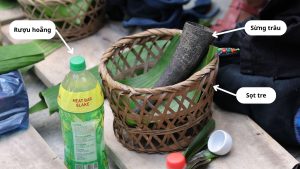
Image 1: Hoẵng rice liquor and buffalo horns
Another small yet meaningful offering is ginger. In traditional belief, the warm and pungent taste of ginger symbolizes closeness, warmth, and connection. Placing ginger on the offering tray represents an invitation to the ancestors and household spirits to return and join the celebration. It also expresses the hope for family reunion and strong bonds between generations.
Buffalo meat and pork are also essential offerings, particularly buffalo meat prepared during the main ritual days. These are considered valuable offerings, representing prosperity and the sincerity of the family. Buffalo meat also carries sacred significance associated with sacrificial rituals, expressing gratitude to the deities and ancestors for their protection and blessings for favorable weather and a successful year.
In addition, glutinous rice and boiled rooster are familiar ritual foods. Glutinous rice, made from fragrant sticky rice, symbolizes abundance and strong bonds, while the rooster represents awakening, new beginnings, and good fortune. Together, these offerings complete the ritual tray and convey wishes for peace and prosperity in the coming year.
Image 2: Glutinous rice and boiled rooster
Alongside the main offerings, the La Chí also prepare other items such as bamboo baskets, incense, and flowers, depending on the customs of each family and clan. These items contribute to the solemn atmosphere of the ritual and demonstrate the care and attention devoted to traditional spiritual practices.
The household offering tray prepared during
Leave a Reply